

Leonora Riesenburg is a globally recognised Chartered Arbitrator, Accredited Mediator and Adjudicator, celebrated for guiding complex, high-value disputes across the built environment, infrastructure, energy, and investment sectors. She is Founder and Principal of INTADR DMCC, a Dubai-based disputes firm delivering arbitration, mediation and adjudication services with a focus on the GCC, Asia and the UK; an International Member of 4–5 Gray’s Inn Square; a Tutor and Assessor for the RICS Dispute Resolution Service (DRS) since around 2020.
Leonora shares a few words in celebration of the 50th anniversary of the RICS Dispute Resolution Service, a remarkable milestone reflecting decades of visionary leadership, rigorous standards, and the dedication of countless professionals who have shaped modern dispute resolution practice and continue to do so.
1. What does your day-to-day work in dispute resolution involve, and how does that experience inform the teaching you deliver through DRS?
I am chartered arbitrator, accredited mediator and adjudicator, practising in complex, high-value, cross-border disputes across the construction, infrastructure, energy and investment sectors, with appointments spanning the MENA and APAC regions, and UK. These matters are technically intricate, commercially sensitive and often culturally layered, requiring not only legal excellence, but ethical rigour, procedural discipline and independent judgment at every stage. That live, front-line experience directly informs my teaching on the DRS faculty. The candidates that I have the privilege to train gain rare, front-line insight into what truly defines and tests modern dispute resolution practice, enabling them to move beyond technical excellence, toward the strategic judgment, ethical discipline and procedural intelligence that distinguish truly first-rate practitioners.
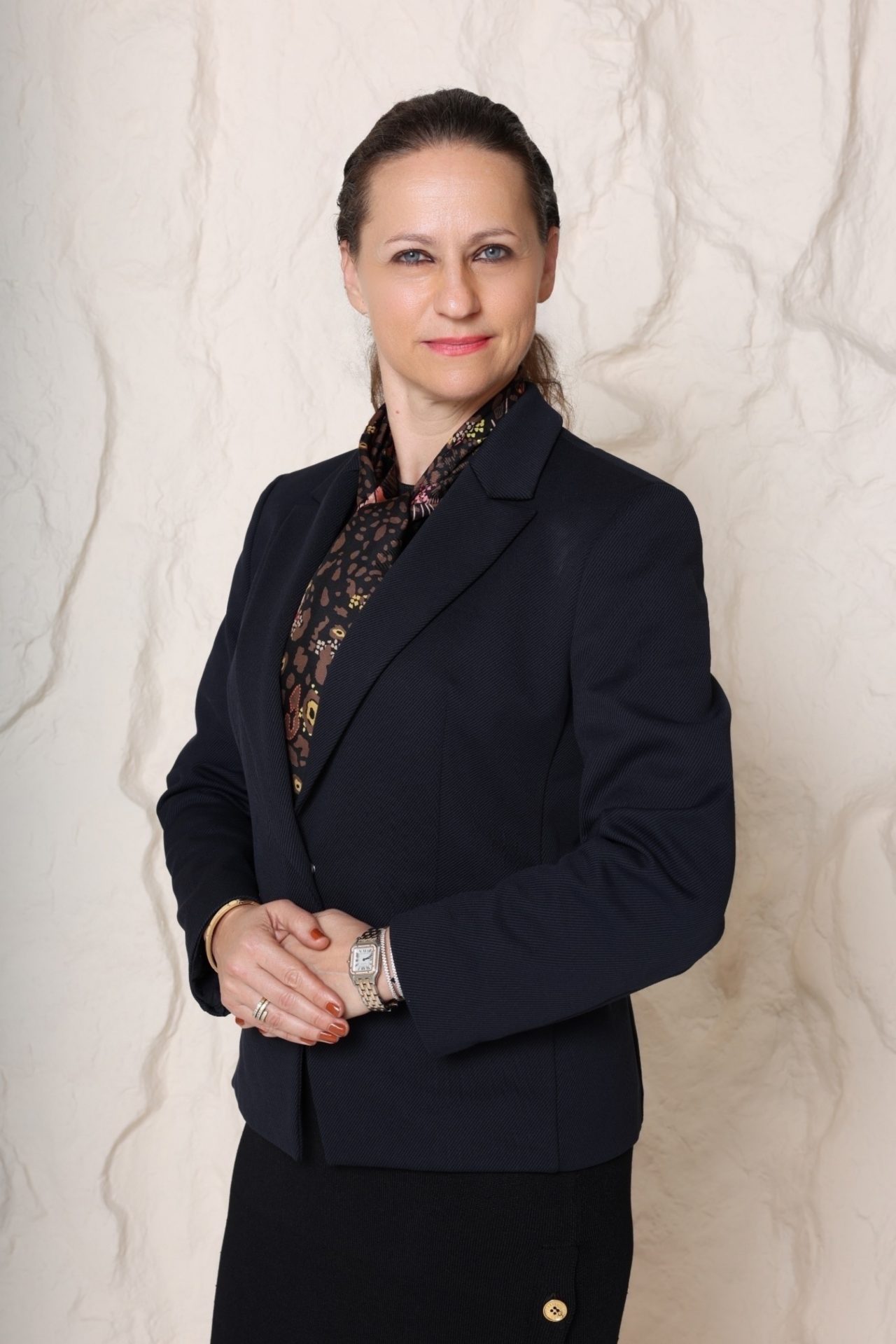
Leonora Riesenburg C.Arb
2. What does your work with DRS involve, and do you have any highlights from your work with DRS?
My work with the RICS Dispute Resolution Service involves training and assessing expert witnesses, party representatives and mediators, mentoring candidates, and promoting compliance with RICS professional standards across jurisdictions. I have been training dispute resolution professionals for nearly two decades across MENA, Asia, and the UK, and have worked with DRS since around 2020. DRS plays a uniquely important role in the global construction and surveying profession. Through structured training, rigorous assessment, practice and regulatory oversight, DRS ensures that those acting in dispute resolution roles uphold the highest levels of independence, competence and integrity. I am passionate about elevating the practice by bridging the gap between technical expertise and dispute resolution mastery and empowering the next generation of practitioners to not only make a positive contribution to dispute resolution affecting the built environment but to take a leadership role in making the DRS even better. A highlight for all tutors is seeing candidates rise through the ranks, forge impactful practices that make a real difference, and earn lasting respect and credibility in the market.
3. In your view, what makes education around dispute resolution valuable for practitioners in today’s built-environment landscape?
The built environment is more complex, international and commercially pressured than ever. Projects are larger, contracts more intricate and stakeholder scrutiny more intense. In this challenging climate, procedural fairness and professional integrity are not optional — they are foundational. Recent UK judicial commentary has reinforced the expectation that experts fully understand and comply with their overriding duties, prompting strengthened professional guidance, including the 2024 RICS Practice Alert for Expert Witnesses and the forthcoming RICS Professional Standard on the Responsible Use of Artificial Intelligence (effective 9 March 2026). Continued education acts as a safeguard. Ongoing training ensures practitioners remain both compliant with evolving standards and ethically grounded in their roles but, more importantly, it protects the legitimacy, integrity and credibility of private dispute resolution as a trusted mechanism for resolving complex commercial conflicts.
4. Can you share an example of how your work with DRS contributes to raising standards, improving practice, or supporting better outcomes in dispute resolution?
My work with the RICS Dispute Resolution Service actively raises professional standards and improves outcomes by equipping practitioners with the skills, judgment, and confidence to handle complex disputes. A standout example is the Dispute Resolution Programme for Advisers and Party Representatives, developed with DRS and delivered successfully since last year. This multi‑module course fills a longstanding gap in training for non‑lawyer representatives, combining real-world scenario-based learning, rigorous assessment, and practical guidance to strengthen competence, credibility, and ethical practice across adjudication, mediation, and arbitration. Another highlight was facilitating the Delivery of the Evaluative Mediation Accreditation at the DIFC Courts in the Dubai International Financial Centre last year, providing professionals with specialist training that promotes high-quality, enforceable, and ethical mediation outcomes. Being part of these initiatives, alongside DRS members of staff such as John, Raj, Gemma, Yasmine, Martin, Cara, Hannah, Elizabeth, Alison and the wider team has been a real privilege and profoundly rewarding.
5. Looking ahead, how do you see dispute resolution evolving?
Dispute resolution is becoming faster, more technologically integrated and increasingly aligned with project risk management and dispute avoidance. Artificial Intelligence and data analytics are already supporting efficiency, document review and quantum analysis. The profession is responding proactively to ensure that innovation is accompanied by regulation and ethical clarity. For the next generation, adaptability will be key: technical prowess must be paired with professional and ethical integrity, cultural awareness, and commercial acumen. Education, particularly through institutions like DRS, will remain central to shaping a generation of practitioners who elevate standards and drive better outcomes across the built environment.