
Environmental impact in Yorkshire: a closer look at two success stories
-
 Email
Email
-
 Facebook
-
 Linkedin
-
 Twitter
-
 Whatsapp
25 September 2026
This November, professionals from across the UK will gather for the RICS UK Awards 2026. The event promises to bring together professionals and organisations who are raising standards in all aspects of surveying, across the built and natural environment.
In the Environmental Impact category, two out of five nominated projects are from Yorkshire. Here, we’re taking a closer look at The Green Room, from The University Quarter and Hull University Business School, and Tesco Harrogate, a low carbon concept store.
The Green Room, Hull
The University Quarter and Hull University Business School
This intriguing and unusual project caught the attention of judges drawing up the nominee shortlist. The Green Room 2.0 transformed student accommodation into a live learning environment where sustainability principles were tested, explored and applied in real time.
Across a five-day immersive programme, two student households competed in a reality-style challenge focused on reducing environmental impact, improving energy efficiency and developing innovative sustainability ideas. Participants took part in workshops, industry visits and collaborative challenges designed to connect academic
learning with practical environmental action. A key element of the project was the introduction of energy monitoring technology within student housing, allowing
participants to see how energy was consumed in real time and encouraging them to experiment with ways to reduce usage.
The Green Room Project demonstrated how student accommodation can act as a platform for environmental education, behavioural change and industry collaboration. It was a true group effort by University Quarter in partnership with the Hull University Business School and a network of regional businesses and sustainability partners.
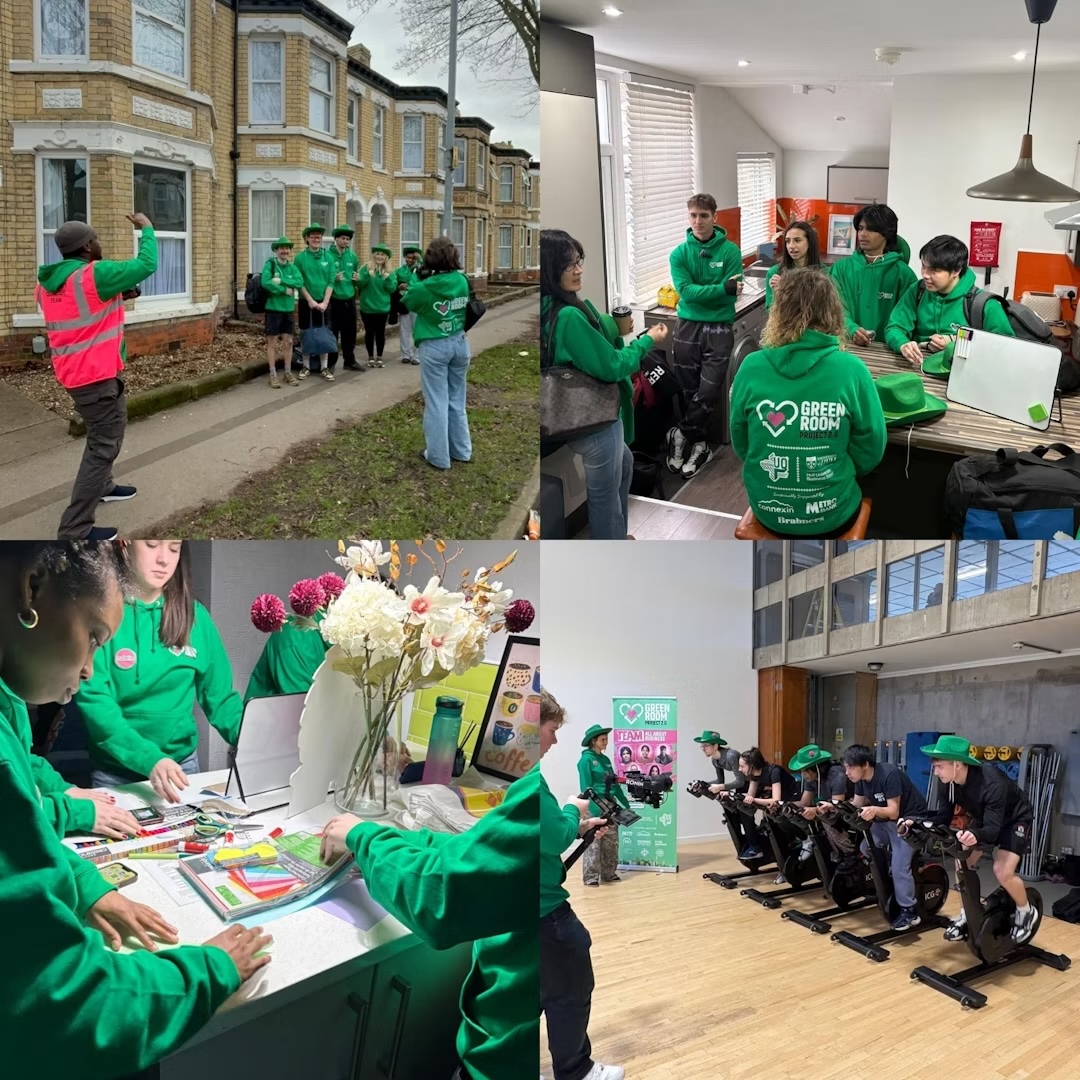
Two student households competed in a reality-style challenge focused on reducing environmental impact
Tesco Harrogate: Low Carbon Concept Store
A collaboration between Tesco, Rider Levett Bucknall, SSA Architects, Key Property Solutions, Summers Inman, Aecom, MRPP, Aspect Ecology, Transport Planning Associates, and Pinnacle.
Tesco has committed to reach carbon neutrality in its operations by 2035, and its new Harrogate store offers a working example of how environmental ambition can be translated into practical, scalable action.
The project combines innovative green technology, integrated systems, and low-carbon materials. From concept to completion, it has addressed several challenges, including the complex remediation of a brownfield site while protecting and maintaining a diverse ecological habitat. The design team prioritised circular economy principles by utilising residual materials from the site and maximising the use of UK-sourced and locally manufactured materials.
Sustainability was further embedded through the incorporation of green technologies, including renewable energy generation from solar panels, rainwater harvesting systems, and the adoption of smart technology for operational efficiency. The project team also collaborated with local charity Horticap to provide a community garden and quiet riverside space, which was recognised with a gold award at the Harrogate Flower Show before being relocated permanently to the store site.
The project successfully met and, in several areas, exceeded its core objectives. Upfront embodied carbon was reduced by 28%, operational emissions by 36%, and in‑use/end‑of‑life emissions by 3%, resulting in a total whole‑life carbon saving of 32%.
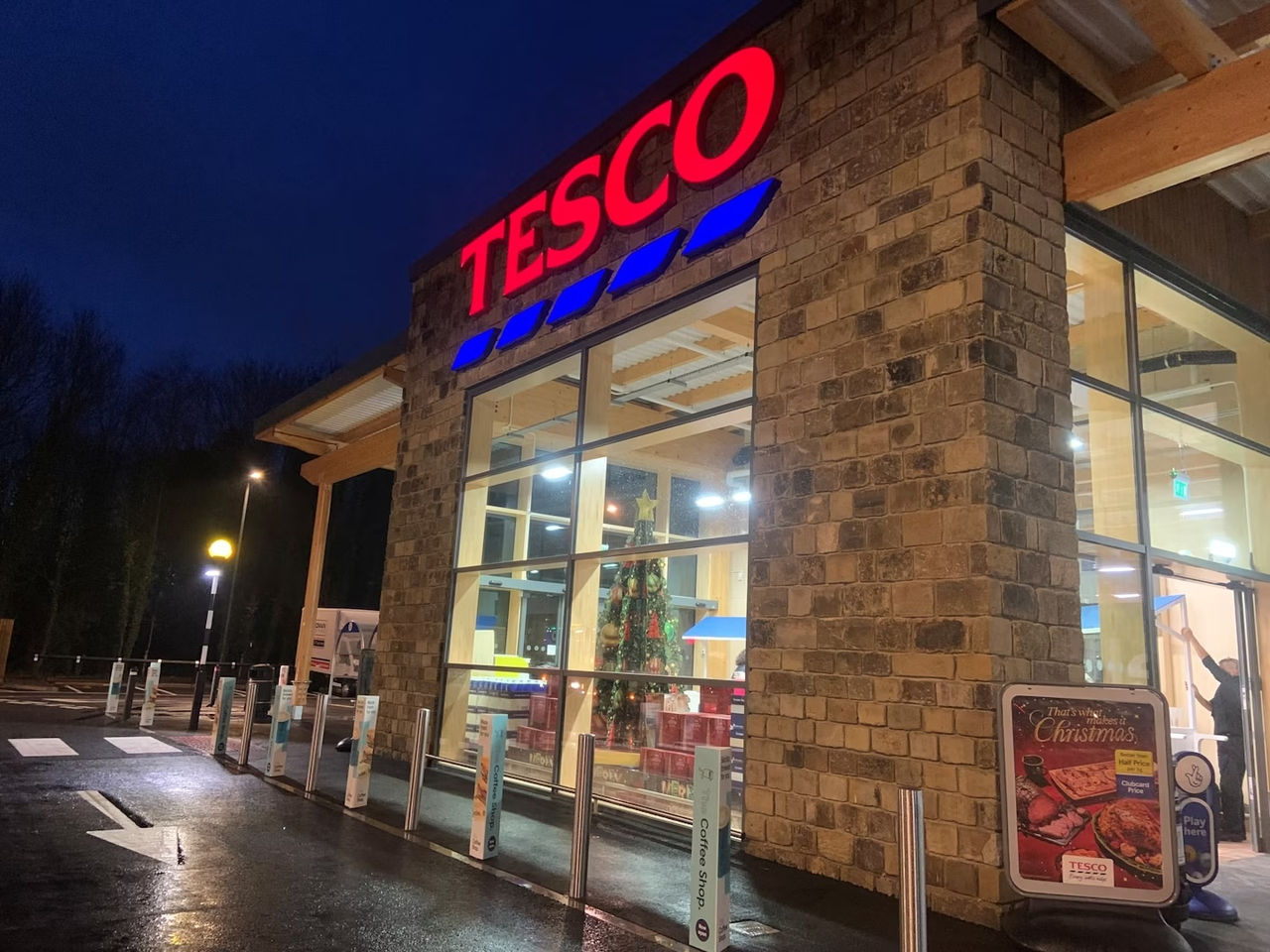
Tesco Harrogate: Low Carbon Concept Store.
Find out more about the RICS UK Awards 2026.