
Update from Justin Young, RICS CEO – October 2026
-
 Email
-
 Facebook
-
 Linkedin
-
 Twitter
-
 Whatsapp
22 October 2026
The role of the surveyor continues to evolve. Technology and AI, geopolitical and economic uncertainty, and the growing need for climate resilience are changing what clients, communities and governments ask of the profession, and the skills needed to respond.
Our Surveying skills report 2026, informed by almost 4,000 surveyors around the world, sets out to understand whether the profession has the skills to meet these demands. With 55% of respondents telling us shortages are limiting their capacity to take on new work, the sector’s ability to meet demand is being affected.
What stood out for me in the research was that skills gaps are becoming more apparent across career stages. Attracting new entrants remains a priority globally, but a shortage of mid-career and experienced professionals was the most cited issue in every region. Retaining established professionals, and supporting them to keep developing, is now one of the biggest challenges we face.
The skills that members value are shifting too. Data and digital tools rank highest for the years ahead, yet many feel underprepared to work with AI. Just as notably, critical thinking, communication and stakeholder management rank almost as highly. As Prof. Dr. Eric Pichet FRICS puts it, “Artificial intelligence will enhance productivity, but it will not replace professional judgement.”
This is a global issue with skills shortages existing across every market and region. Respondents in Asia Pacific (40%) and the Middle East and Africa (29%) were the most likely to describe the shortage as critical, while a lack of new entrants is felt most in the Americas and the UK and Ireland.
Importantly, the skills gap isn’t going to be solved through recruitment. As Faith Locken MRICS pointed out in the report, organisations often respond to skills shortages by trying to recruit rather than developing the people already in their business. It is a wider challenge for our profession to adapt and remain relevant, and it means looking at how professional competence is developed throughout an individual’s entire career, not only at the point of entry.
That’s why we are transforming how people become surveyors through our Qualifications and Professional Development programme. As well as a modular route to qualification, it will bring a new approach to lifelong learning, including ongoing credentialing, so members can keep building their skills at every stage of their career. We are shaping it with members, employers, universities and learning providers. There are no immediate changes to current routes, and people should continue to join as usual, and we will keep you updated as the work progresses.
In the meantime, our training portfolio can help you build these skills today, including courses on the mandatory CPD topics of AI, data and technology, sustainability and ethics. These range from our Harnessing AI and Data in the Built Environment web class to the Sustainable Real Estate: Creating a Better Built Environment course, delivered with the University of Cambridge Institute for Sustainability Leadership (CISL).
Closing the skills gap will need governments, employers and educators to work together, and policymakers in many markets are already focused on it, from the EU’s Union of Skills to the Middle East, where Saudi Vision 2030 is accelerating digital adoption and, with it, demand for new skills. In the UK, we launched the report at a parliamentary breakfast in Westminster, where I was joined by speakers Mike Reader MP, Jonathan Mitchell of Skills England, RICS President Nick Maclean and Annabel Huffer MRICS.
We shared in our commitment to address the challenges together by addressing the leaks across the pipeline and how we can tackle these. This activity will be bolstered further by regional analysis and reports looking at the challenges and opportunities in specific markets over the coming weeks.
Surveying has adapted to disruption throughout its history, and the enthusiasm I see for the built and natural environment gives me confidence it will continue to do so. The challenges are real, but by working together we can build a more resilient profession. I encourage you to read the report and join the conversation.
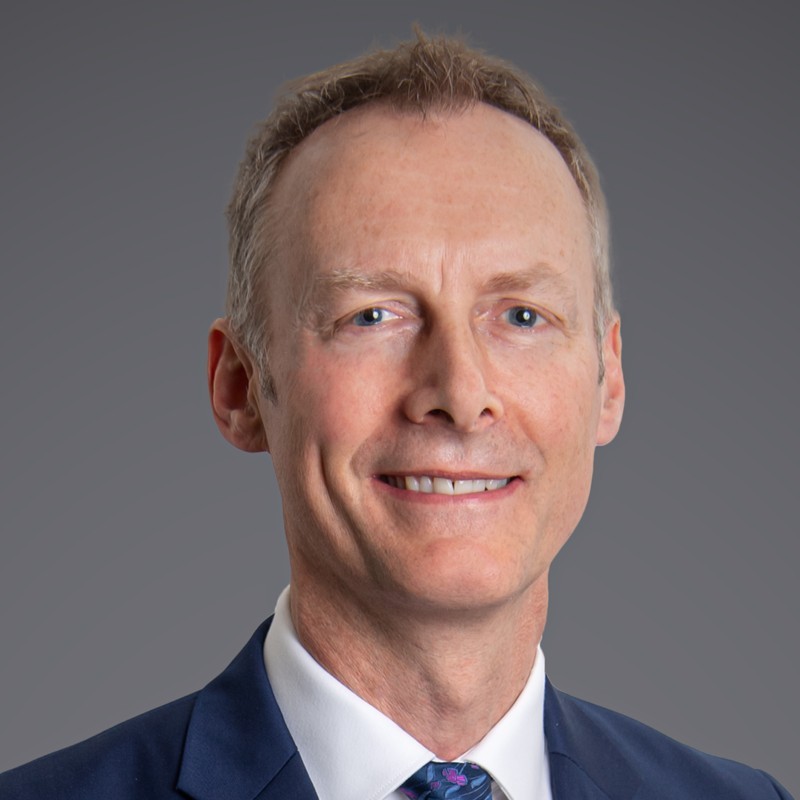
Justin Young, RICS CEO