
RICS Black Country: Spotlight on Wolverhampton’s Green Innovation Corridor
-
 Email
Email
-
 Facebook
-
 Linkedin
-
 Twitter
-
 Whatsapp
02 October 2025

Ben Dean FRICS MCMI
Director, Turner & Townsend & RICS West Midlands Board Member
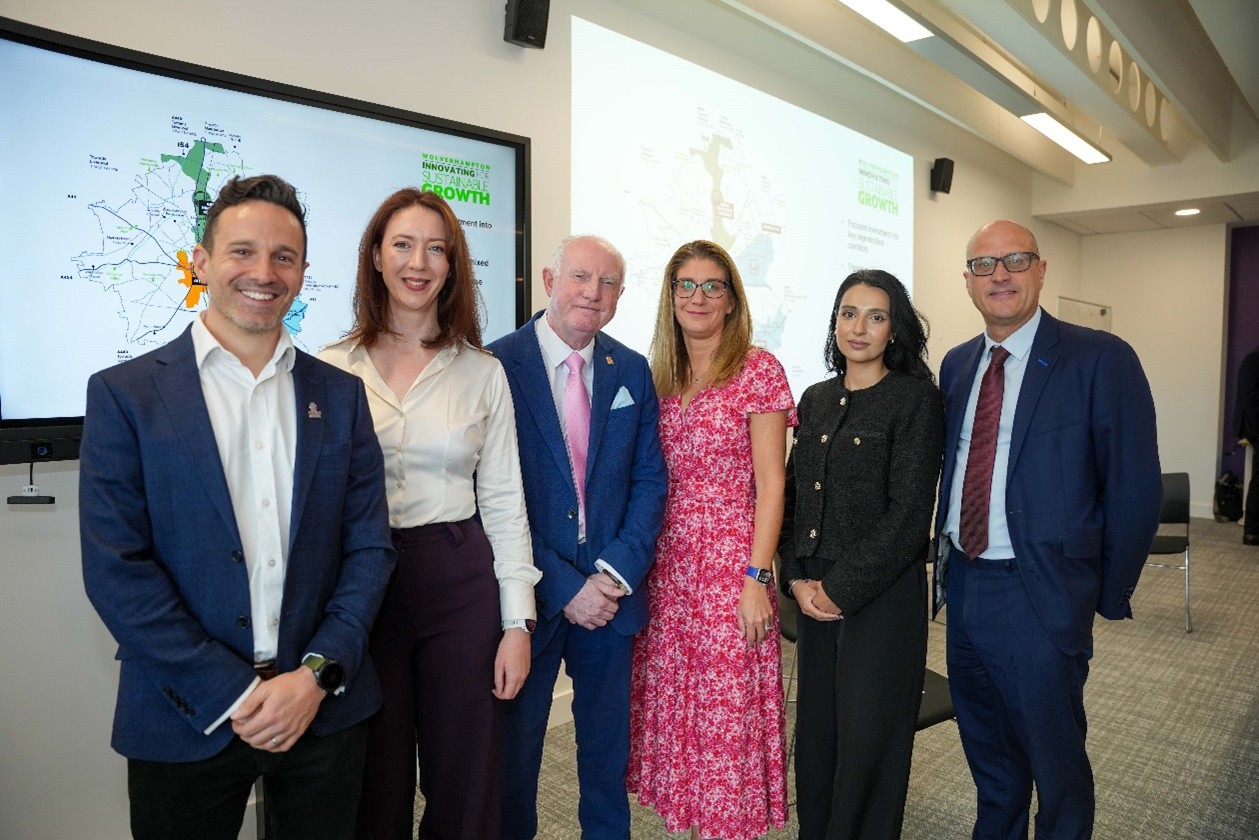
Against a backdrop of historic canals, old industrial plots, and ambitious architectural renderings, a panel of experts gathered during Wolverhampton Business Week to explore how Wolverhampton’s Green Innovation Corridor could redefine the city’s future — not just as a regeneration scheme, but as a blueprint for sustainable growth in the West Midlands. Ben Dean FRICS MCMI (Director, Turner & Townsend & RICS West Midlands Board Member) hosted the morning and was joined by:
- Paul Woodcock, Green Innovation Corridor Programme Director, City of Wolverhampton Council
- Lisa Deering, Managing Director, Glancy Nicholls Architects
- Laura Loftus, Director, Head of Development Advisory, CBRE
- Kuli Bajwa, Director, Development & Project Management, Pareto Projects
- Dr Paul Hampton, Head of School of Architecture and Built Environment, University of Wolverhampton
The vision
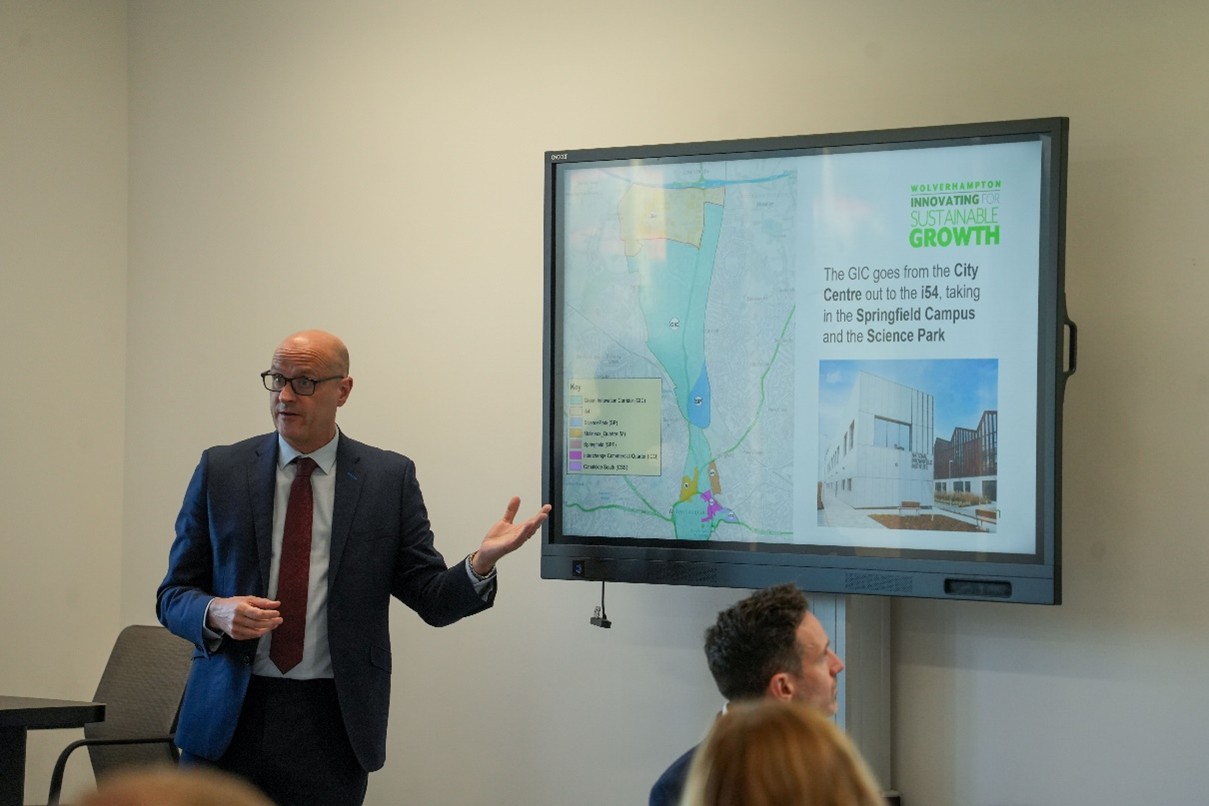
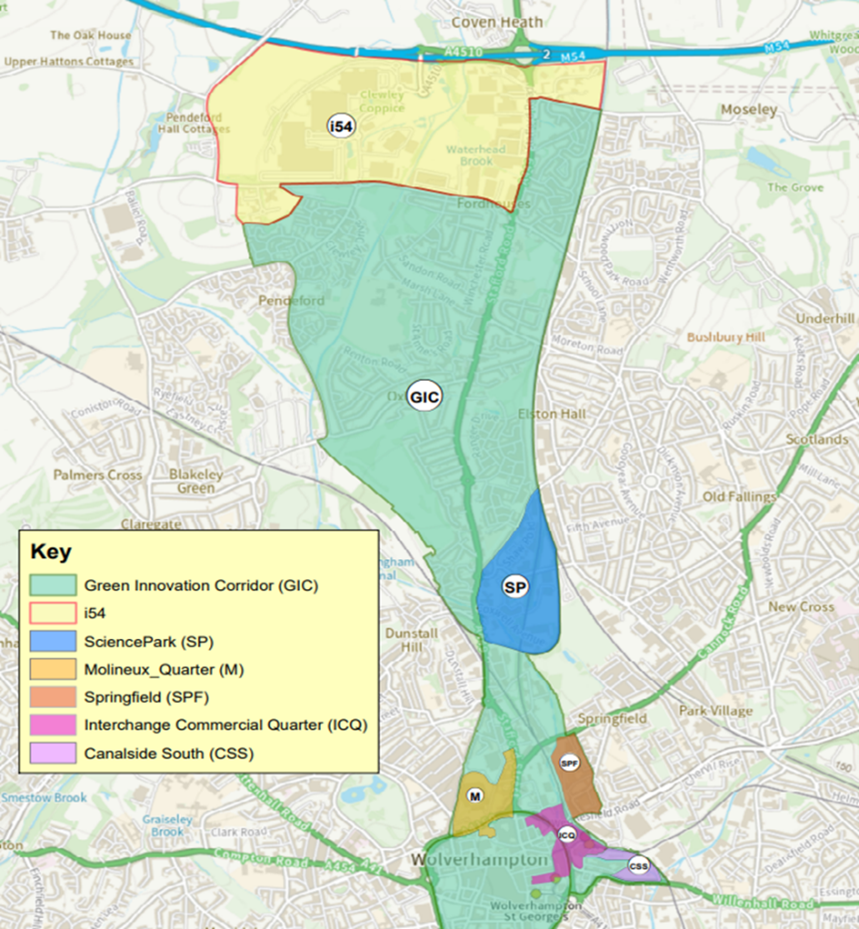
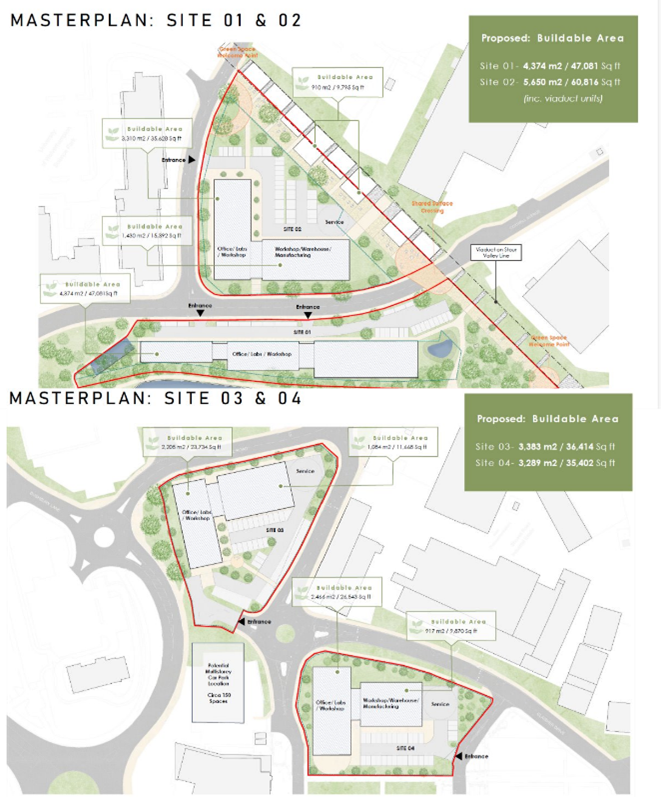
Paul shared the vision for the council’s Green Innovation Corridor: a new innovation district located in the City of Wolverhampton. With a focus on green construction, computing and engineering, Wolverhampton’s Green Innovation Corridor aims to turbocharge the West Midlands and UK’s transition to net zero. It will foster an ecosystem of innovative businesses, entrepreneurs and academics, with access to our distinctive R&D and skills offer. Further details here - Wolverhampton’s Green Innovation Corridor
Anchors and Ecosystems
At the heart of the conversation was a recurring theme: partnership. Universities, councils, and businesses are not just stakeholders, but “anchor institutions” — the bedrock on which innovation districts thrive.
Laura Loftus said:
“… the ethos and the partnership that’s already being created, that’s what will drive this forward. When you create an ecosystem — education linked with business — that’s when great things happen.”
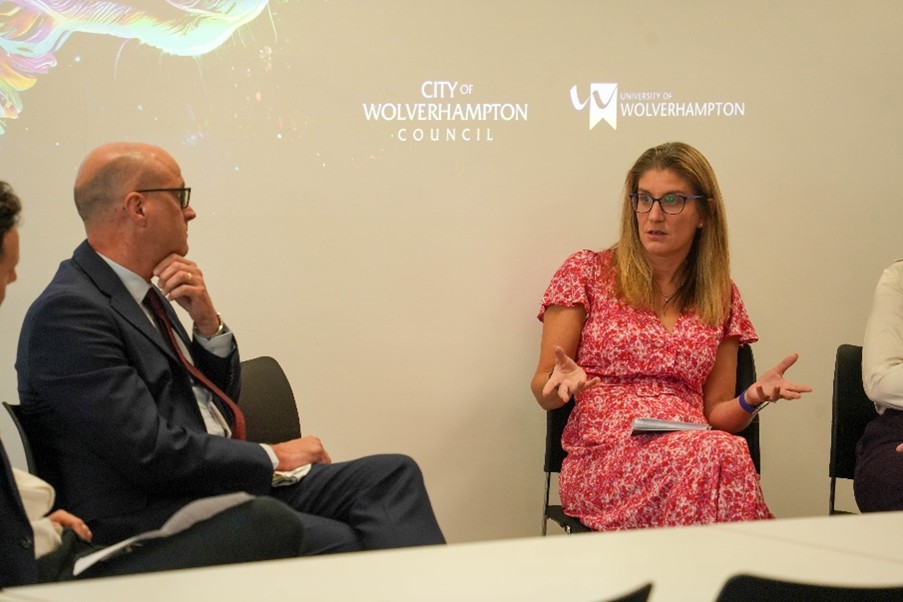
From world-class research facilities to the impressive National Brownfield Institute, physical assets are already in place. But success depends on more than buildings; it’s about connecting policy, investment, and people into a coherent story of growth.
From Global Lessons to Local Ambition
Panelists drew inspiration from innovation hubs across the UK and abroad — from the AMRC in Sheffield, where partnerships with Boeing and Rolls-Royce built global credibility, to Eindhoven’s Brainport district in the Netherlands.
Paul Woodcock, who has seen first-hand the slow burn of such projects, reminded the room that remaining true to the vision and being patient to allow the right developments to unfold is key:
“You can build business parks anywhere. What makes an innovation district is anchoring into the knowledge economy — the R&D, the talent, the relationships. That’s the difference.”
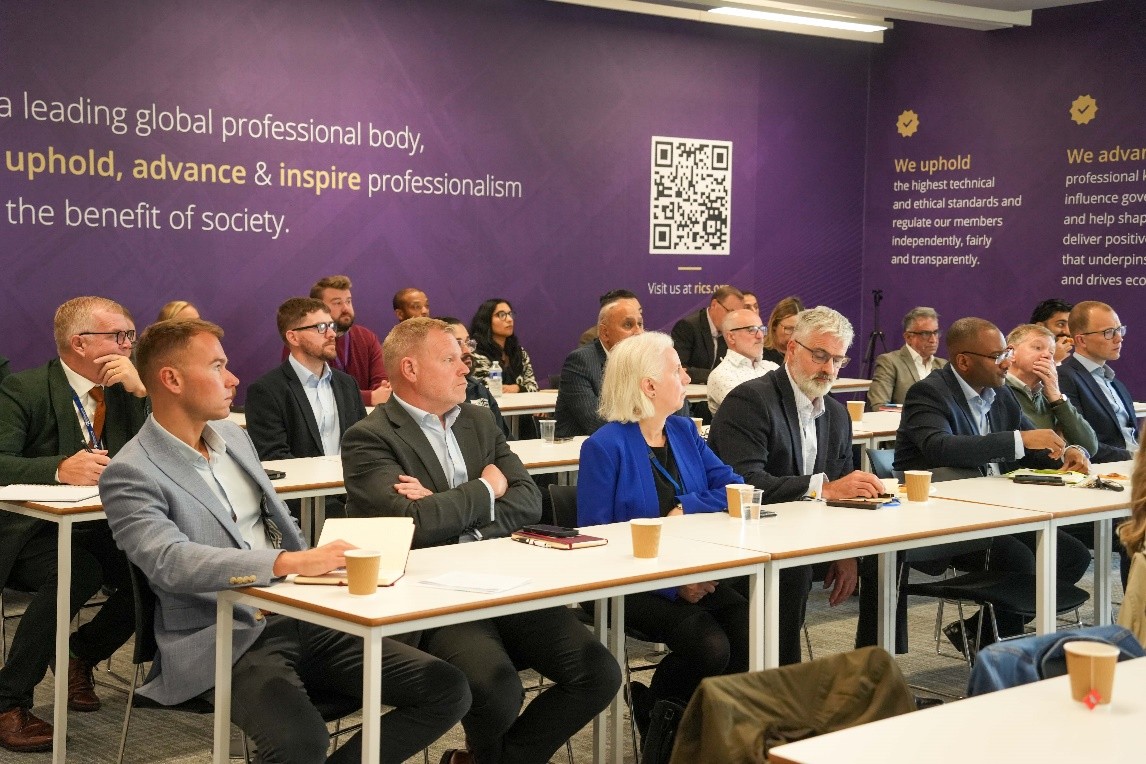
The Triple Helix
Another phrase kept surfacing: the “triple helix”. For the Green Innovation Corridor to flourish, it must bring together occupiers, developers, and investors just as much as universities, councils, and businesses. Dr Paul Hampton described how the University of Wolverhampton is already at the forefront of this ethos, with progressed designs for a facility to house a significant anchor tenant almost secured.
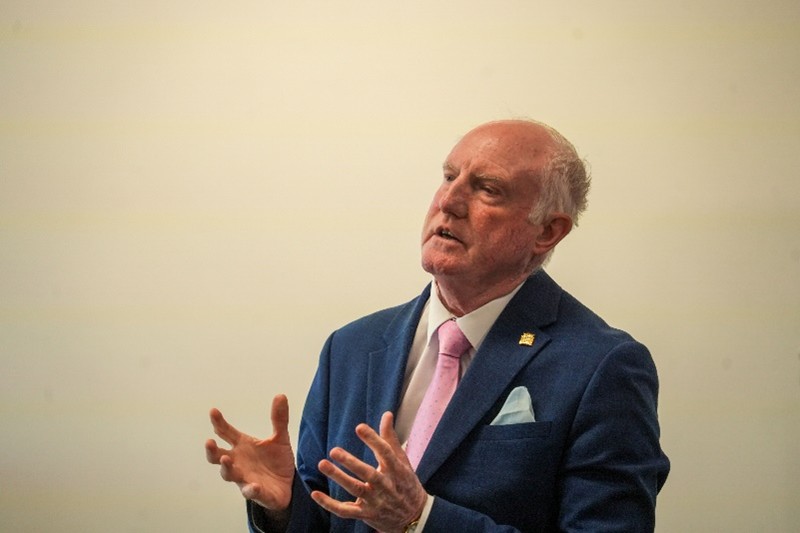
The challenge? Delivering not only the flagship projects but also the smaller, flexible spaces that allow start-ups to take root and scale. These are harder to finance, but they provide the “life cycle ecosystem” that turns ideas into industries.
Lisa Deering’s perspective saw the corridor’s unique strength in its layered offering:
“What about the bits in between? The smaller units, the little start-ups. Is there a facility for them to stay local, grow their business, and keep that intelligence and skilled workforce here?”
Place, Pride, and Potential
For Wolverhampton, the corridor is more than an investment pitch. It’s an opportunity to rewrite the city’s narrative. Historically an industrial powerhouse — the Black Country was the birthplace of the Industrial Revolution — the city now has the chance to redefine itself as a hub for green technology, advanced manufacturing, and sustainable futures.
The location itself is an asset. As Lisa Deering noted,
“It’s an interesting site — you’ve got the canal running through, great connections, and a history of industry. What the university is doing with research and development is driving industry into the future — something very specific to this location.”
Overcoming the Obstacles
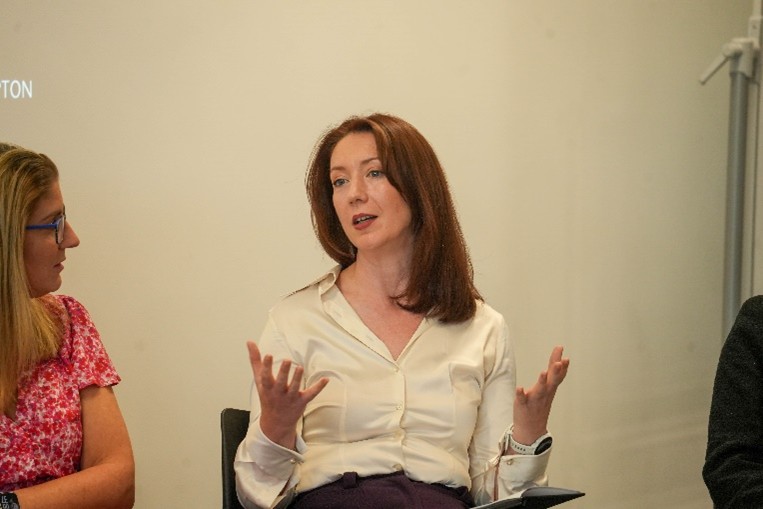
Of course, ambition comes with obstacles: derelict sites, complex land ownership, and funding challenges.
Laura Loftus observed:
“Viability and deliverability are the bedrock. The council doesn’t have a magic wand, but they’re using the tools they have — remediation, planning, and enabling works — to de-risk sites and bring them to market.”
Projects like Six Mile Green illustrate the paradox. The site boasts an extraordinary backstory — it was here that the world record for hot air balloon altitude was set — yet even prime locations require significant upfront funding to make development viable.
The lesson? Perseverance. Holding out for the right mix of occupiers, rather than defaulting to generic business parks, is what will set the corridor apart.
The Human Factor
Beyond infrastructure and investment, the panel agreed that the true legacy of the Green Innovation Corridor must be social.
Kuli Bajwa said,
“…you’re activating under-utilised areas into thriving areas. The net-zero benefits are driving sustainable design, low carbon industries in line with national policy and inclusive growth, and embedding apprenticeships, the SME, the social enterprises into delivery - ensuring that the benefits stay within the Wolverhampton community.”
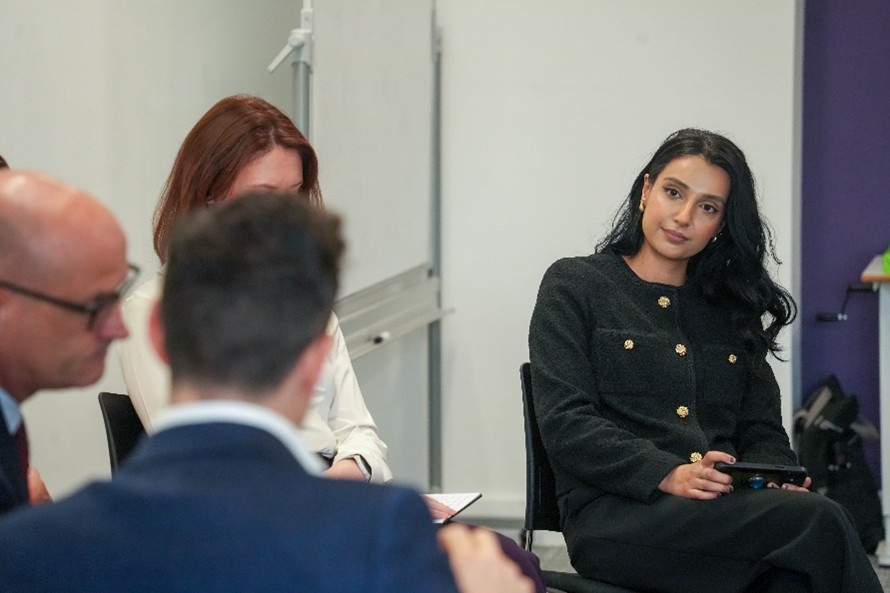
Lisa captured the wider vision:
“It’s about raising aspirations. Someone might go through school here, then straight into university or an apprenticeship, and see themselves building a career without having to leave Wolverhampton. That’s huge.”
For Paul, the power of such interventions was critical. He recalled a teenager who attended an open day at the AMRC Training Centre on an innovation district in Rotherham. Inspired, the boy transformed his attitude to school and went on to secure an apprenticeship in engineering.
“That facility raised his ambition,” Paul said. “That’s what this is about.”
A Bold Vision
The corridor’s champions know the road ahead will be long. But with lessons drawn from Sheffield, Liverpool, Eindhoven, and Boston, the consensus is clear: Wolverhampton must aim high, stay true to its ethos, and tell its story boldly.
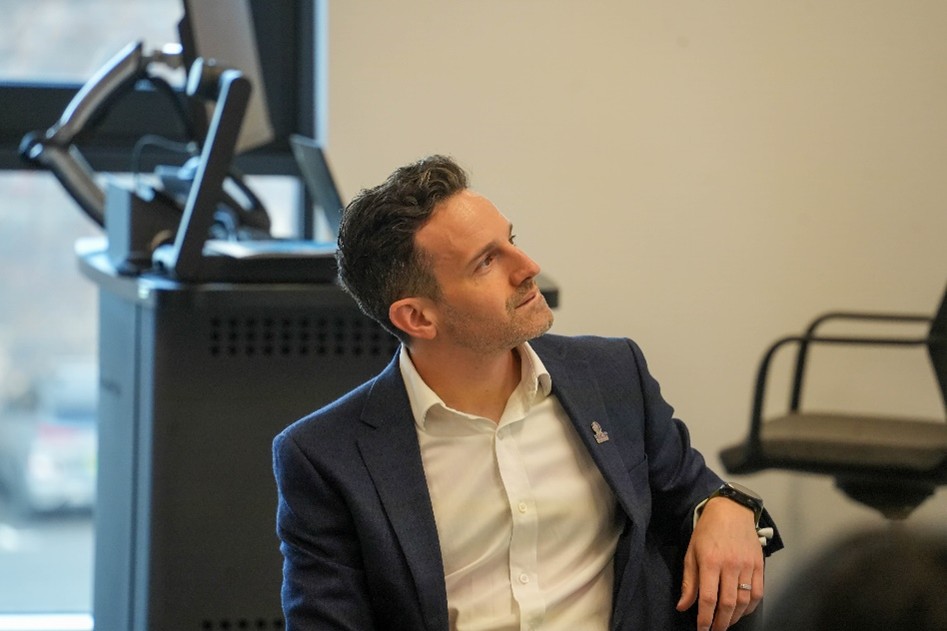
Ben Dean said, “Coming from the Black Country myself, I know we can sometimes be humble about what’s going on here, but we need to be louder about our strengths. The Green Innovation Corridor is our chance to show the world what Wolverhampton and the Black Country can do.”
To find out more about local member networks and how to get involved, please visit our RICS in the West Midlands webpage.